HARPER's Story
A necessity, not a luxury.
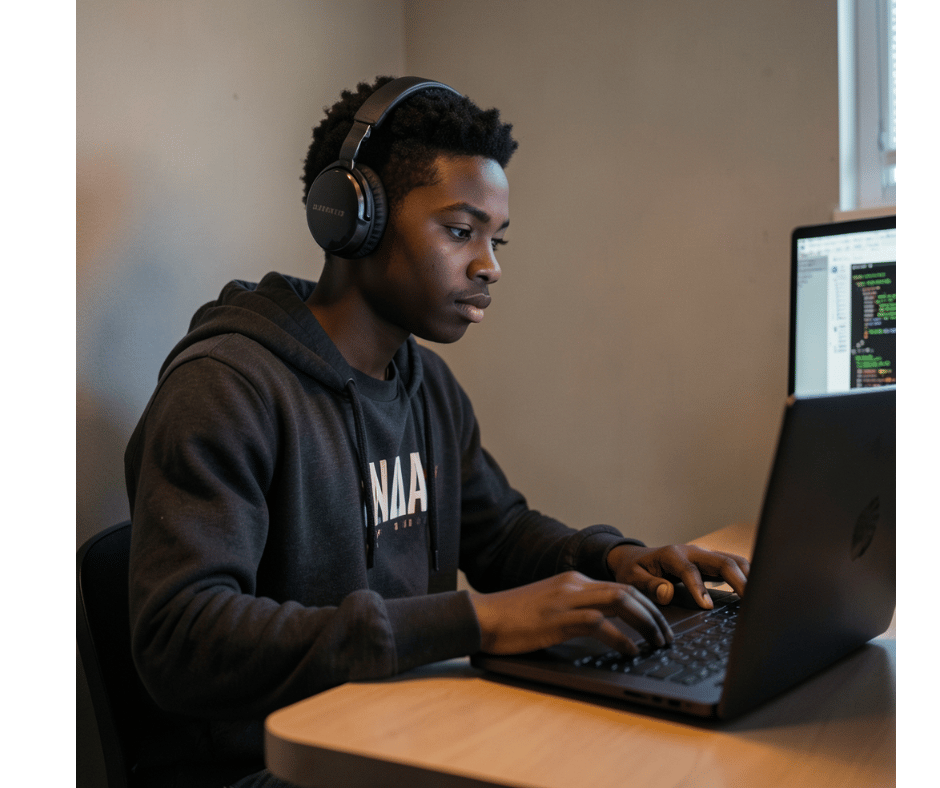
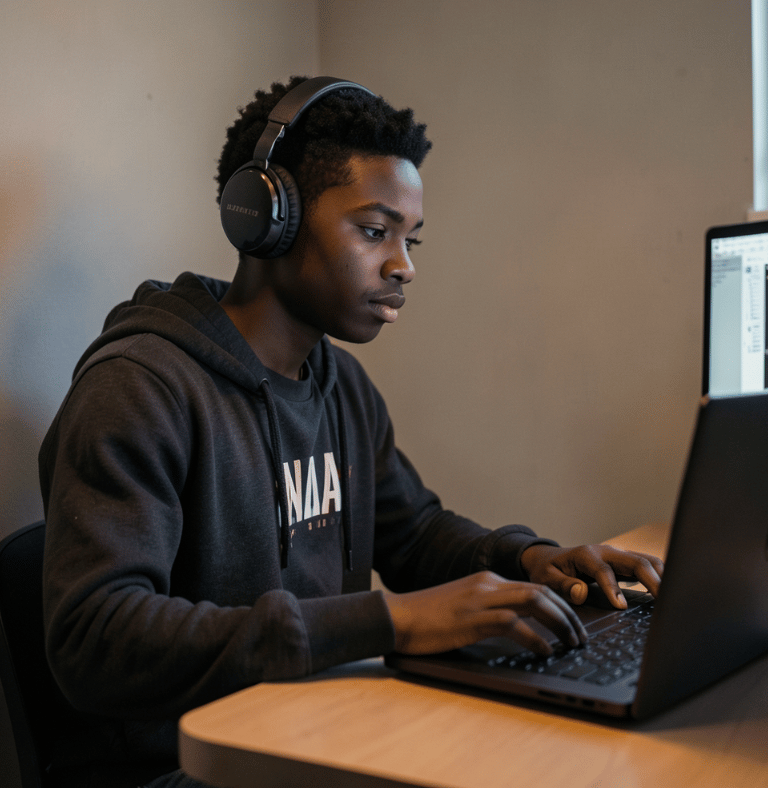
When Harper achieved a place at his dream university, the only thing standing between him and success was his lack of technology.
Digital exclusion can lead to poorer health outcomes, reduced life expectancy, increased social isolation and limited access to employment and education.
(The Good Things Foundation)
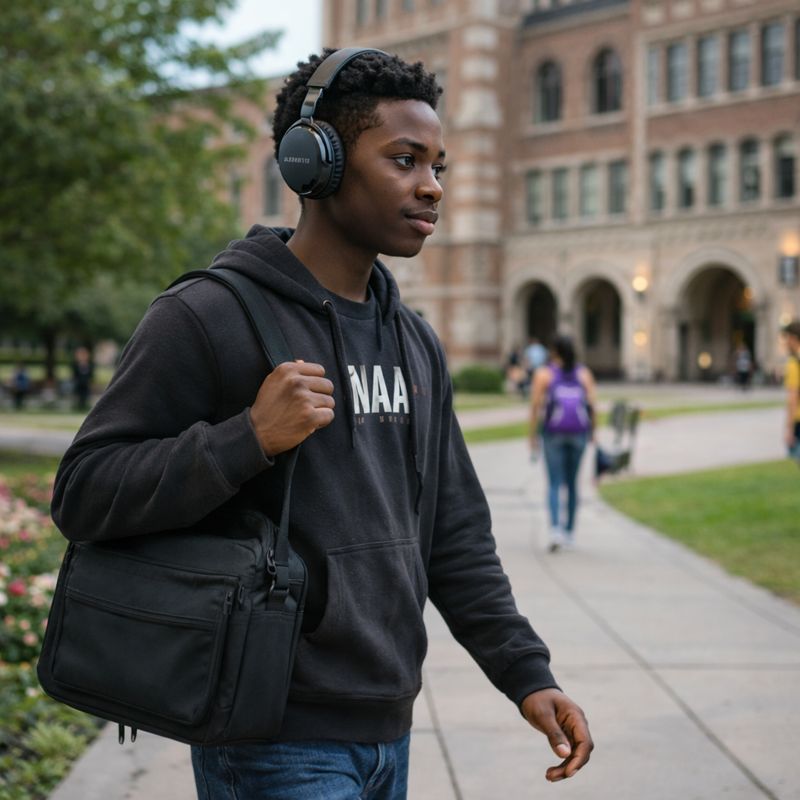
Harper is a bright, autistic student who earned a place at a competitive university. Writing by hand is extremely difficult for him, and he relies on technology to take notes and manage everyday tasks. Getting into university was a huge achievement, but without the right tools, staying there was becoming impossible.
For disabled and neurodivergent people:
Technology is often a reasonable adjustment, not a luxury. It makes learning accessible.
Specialist software and accessibility tools often require a personal device.
Digital exclusion creates extra barriers in education, mental health, and social inclusion. In this context, it is a form of accessibility exclusion.
Harper tried to manage lectures and coursework using borrowed devices and campus computers. This meant:
He couldn’t always sit where he felt most comfortable or sensory-safe.
He had to rush between rooms to find available computers.
The Challenge

He frequently struggled to keep up with note‑taking and assignment deadlines.
On top of this, social situations at university were overwhelming. Without a personal laptop, he couldn’t easily access online communities, societies, or support groups where he might feel more at ease.
As Harper's anxiety increased, he began to doubt whether he could stay on his course.
Harper was referred to Tech‑Takeback Foundation and assessed for a bespoke laptop build. We provided a refurbished device tailored to his needs, including:
The right operating system and software for university work
Accessibility tools to support note‑taking and organisation
A setup that worked with his preferred sensory and learning style
Lightweight enough to easily carry around.
We also ensured he had information about online therapy options and digital skills support where needed.
How we helped


Change a life today
Thousands of disabled and neurodivergent people in the UK are being held back by a lack of access to the right tech.
Donate laptops to support disabled and neurodivergent people to thrive
Partner with us to sponsor devices and training
Apply for a laptop for yourself, for a loved one or for someone you're supporting who is disabled or neurodivergent.
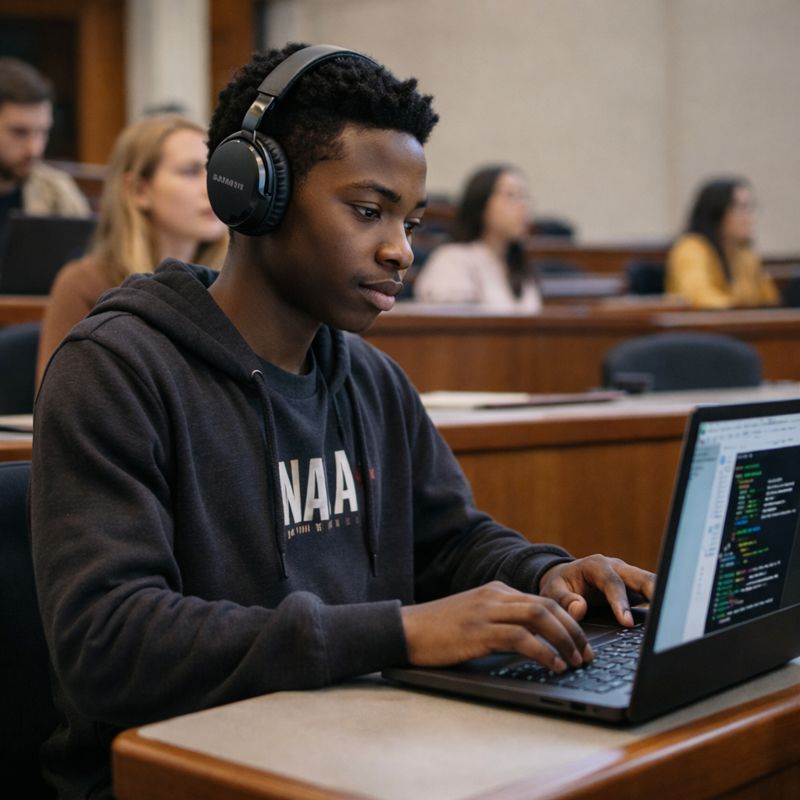
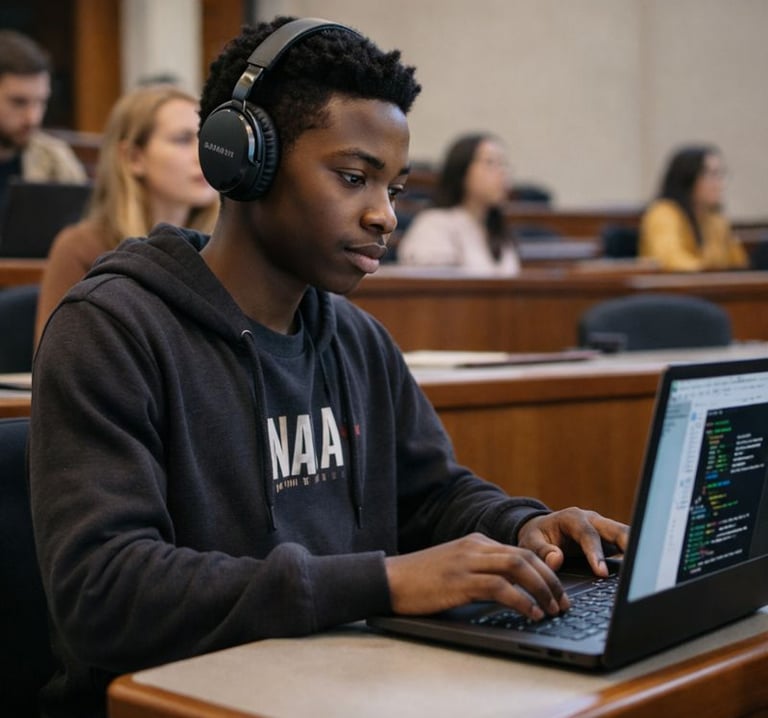
With the right technology in place, Harper can now:
Take notes effectively
Keep track of his assignments
Study from spaces where he feels calm and in control
Access online therapy sessions that help him manage anxiety
Join online groups where he feels understood and supported
Life with a laptop
Harper's university experience has been transformed. He is now thriving socially, excelling in his assignments and is considering a master's programme.
Social value of reuse
Using HACT Social Value Insights, the social value generated through Harper's refurbished laptop is
£28,000
Case studies are based on real beneficiary journeys. Some names and identifying details have been altered to protect confidentiality, but each story represents the genuine challenges faced by the communities we serve.
Related stories
Digital exclusion affects people from all walks of life, for all sorts of reasons. Whatever the circumstances, Tech-Takeback Foundation is here to help, with laptops and support packages that are as individual as the people they're designed to support.


Margaret's laptop has helped her feel confident, independent and connected.
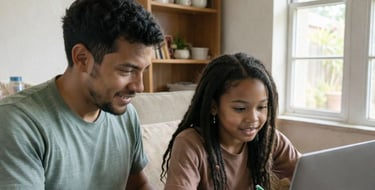
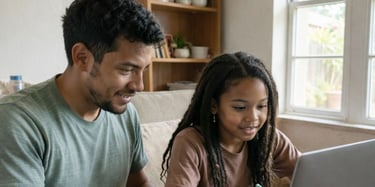
Aaron used his laptop to find work and support his children's studies


For Ella, a domestic abuse survivor, a laptop meant freedom and independence.