Who we support


Digital inclusion affects people differently.
Discover the groups most at risk.


We support people who are digitally excluded in the UK, including people who are...
...experiencing homelessness


For people experiencing homelessness, digital exclusion makes it far harder to access support services, apply for jobs, manage benefits, and stay connected with family or friends.
A laptop helped Oliver rebuild his confidence, reconnect with his family and find work.
...elderly or isolated
1 in 3 adults over 75 do not own a computer or know how to use the internet, leaving many unable to access healthcare, social connection or essential services.
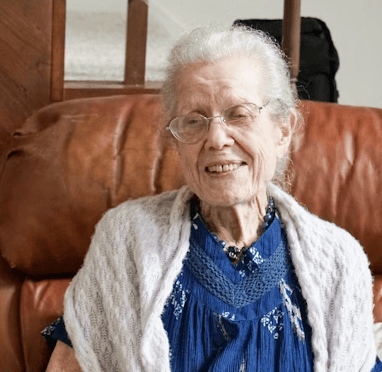

For Margaret, a laptop offered renewed independence and a lifeline to the outside world.
...young care leavers


For young care leavers, often without family or other support networks, digital exclusion isn’t just inconvenient. It can seriously limit their chances of building an independent, stable life.
A laptop helped Chloe succeed at college, and develop essential skills for independent living
...refugees and asylum seekers
For refugees and asylum seekers, access to a laptop can be the difference between starting again and being stuck on pause; offering access to jobs, training and education.
A laptop helped Sohana study and access therapy while she adjusted to her new life in the UK.


...low income families


Low‑income households are six times more likely to be digitally excluded, limiting access to employment, education and financial support, and reinforcing a vicious cycle of poverty.
A laptop helped Aaron train and apply for new work, while his children were able to thrive at school
...domestic abuse survivors
Survivors of domestic abuse often lose access to devices, online accounts, finances and support networks, making digital access crucial for recovery and safety.


For Ella, a refurbished laptop was vital to regain her personal safety and independence.
...disabled or neurodivergent
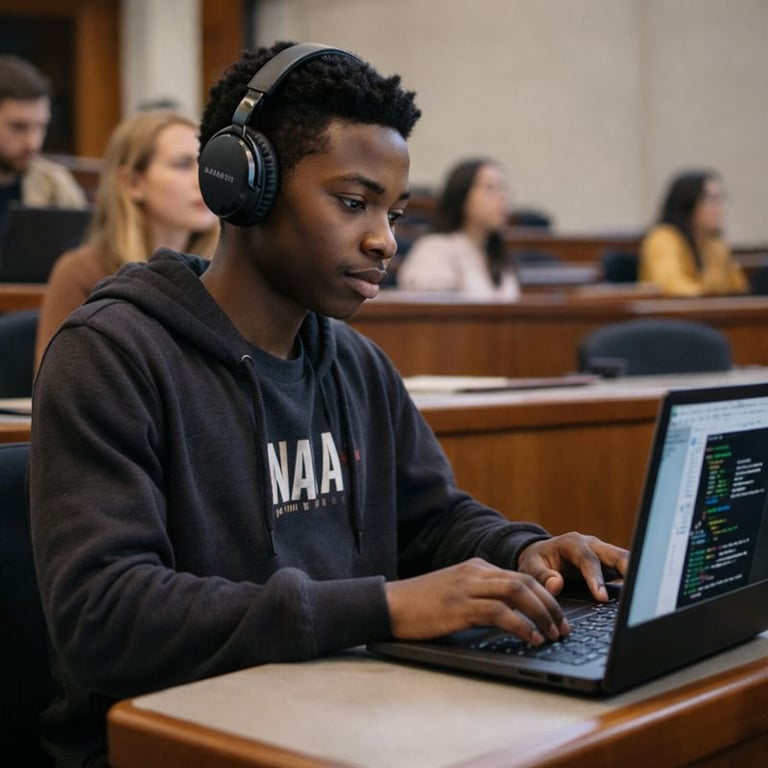

For people with disabilities or who are neurodivergent, a laptop can be more than just a 'nice to have'. It can be a necessary and reasonable adjustment that helps them to thrive.
A laptop gave Harper the tools and confidence he needed to pursue his dreams at university.
...managing illness
A laptop can provide access to vital healthcare and support services, making it easier for people with life-limiting or chronic illnesses to manage their conditions and stay socially connected.
From buying a pint of milk to attending appointments, David's laptop has given him new independence.


...living with poor mental health


Digital exclusion is known to exacerbate mental health problems, while mental health problems increase the likelyhood of becoming digitally excluded; creating a deeply harmful cycle.
After receiving her laptop, Leila told us, "for the first time in years... I'm starting to picture a future".
Change a life today.


Digital exclusion can lead to poorer health outcomes, reduced life expectancy, increased social isolation and limited access to employment and education (The Good Things Foundation).
Donate laptops to support people who are digitally excluded
Partner with us to sponsor devices and training
Request a laptop if you or someone you work with is in need


Case studies are based on real beneficiary journeys. Some names and identifying details have been altered to protect confidentiality, but each story represents the genuine challenges faced by the communities we serve.